

Tickets
Due to a change in combos, the count of the following tickets have been decreased:
- {{decreasedTicketInfo.ticketName}} was decreased by: {{decreasedTicketInfo.ticketQuantityDecrease}}
Event Description
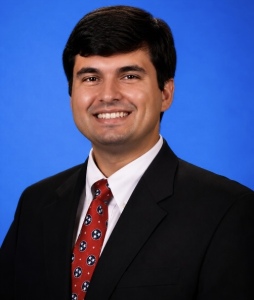
Matthew McClanahan, General Counsel, Tennessee Department of Agriculture
Topic: The Impact of Agriculture on the American Civil War
“An army marches on its stomach.”
“Amateurs talk strategy; professionals talk logistics.”
These two quotes, often erroneously attributed to Napoleon, capture the importance of food to a campaigning army. Of course, Napoleon learned firsthand in his invasion of Russia in 1812 what happens when food runs short. It is estimated that he lost more than 500,000 men to starvation and disease in that bleak Russian winter.
The winter of 1863-64 was the coldest of the Civil War here in East Tennessee, and food was always at issue. Driven back into the defenses of Knoxville in mid-November, the Union army under Gen. Ambrose Burnside was reduced to quarter and then to half rations before the Confederate stranglehold on the town was broken. That winter, several engagements were fought to the north and east of Knoxville. The Union aim was to drive Longstreet from upper East Tennessee, while the Confederates fought to stay put by maintaining control over the valuable farmland between the Holston and French Broad rivers. The withdrawal of Union forces following the Battle of Dandridge on January 17, 1864, decided the matter. Free to forage and feed themselves, the Confederates would remain a threat to Union activities in the area until the spring of ’64.
Come join us as attorney Matt McClanahan examines the impact farming had on the decision making of Civil War leaders. Specifically, he will explore the logistics of feeding an army, the decision to take on certain campaigns, and ultimately the defeat of the Confederacy. While much has been made of the North’s industrial capabilities, the dominance of Northern agriculture in the end proved vital to Union victory.
Matthew McClanahan serves as General Counsel for the Tennessee Department of Agriculture (“TDA”). Before joining TDA, McClanahan was a managing partner at his law firm in Crossville, focusing on government relations, civil litigation, agricultural and environmental matters, and business matters. He is currently the executive director of the Tennessee Association of Conservation Districts, where he works closely with conservation leaders and agricultural stakeholders across the state to conserve and enhance Tennessee’s natural resources.
McClanahan earned a Juris Doctor from the University of Tennessee College of Law. He graduated magna cum laude from Tennessee Tech University with a bachelor’s degree in agriculture with a minor in History.
McClanahan serves on the board of directors of TennGreen Land Conservancy and is active in his local community. A third-generation Tennessean, he was raised on his family's farm in Cumberland County, Tennessee He and his wife, Lauren, have a son, Adam Claude McClanahan.
#####
Dr. Lesley Gordon was originally scheduled to address the Roundtable in September but had to withdraw due to health issues. She will be rescheduled.
Contact Form
Event Location
Bearden Banquet Hall
5806 Kingston Pike
Knoxville, TN 37919 US
View Location on Map